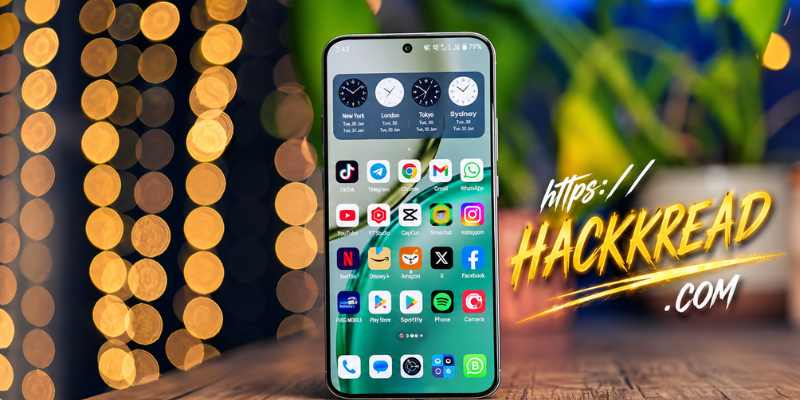

The smartphone has become one of the most important inventions of the 21st century. It is much more than a device for making calls or sending text messages. Today, smartphones serve as cameras, navigation tools, entertainment centers, learning platforms, and even mobile offices.
Almost everyone relies on a smartphone for daily activities. Whether checking emails, attending online classes, shopping, or connecting with friends, smartphones have become deeply integrated into modern life. This article explores the impact of smartphones, their benefits, challenges, and their role in shaping the future.
The Evolution of Smartphone Technology
The journey from basic mobile phones to modern smartphones has been remarkable. Early mobile phones focused primarily on voice communication. They had limited features and simple designs.
As technology improved, manufacturers introduced internet connectivity, touchscreens, cameras, and applications. These innovations transformed mobile phones into powerful handheld computers.
Today’s smartphones feature advanced processors, artificial intelligence, high-resolution displays, and professional-grade cameras. Tasks that once required multiple devices can now be completed using a single smartphone.
Smartphone Communication in the Digital Age
Communication is the primary reason smartphones were created, but modern communication goes far beyond traditional phone calls.
Users can instantly connect with friends, family, and colleagues through messaging apps, social media platforms, and video conferencing tools. Geographic distance is no longer a major obstacle to staying connected.
For example, a student studying abroad can communicate face-to-face with family members through video calls. Businesses can conduct meetings with international clients without expensive travel costs.
Benefits of Smartphone Communication
- Instant messaging
- Voice and video calls
- Quick file sharing
- Global connectivity
- Social networking access
These features have revolutionized personal and professional communication.
How Smartphone Devices Improve Productivity
Smartphones have become essential for improving productivity. Many people now use their phones for work-related tasks throughout the day.
Professionals can access emails, attend virtual meetings, manage projects, and collaborate with colleagues from virtually any location. This flexibility has significantly changed workplace culture.
Productivity Features
Smartphones help users:
- Manage schedules
- Set reminders
- Access cloud storage
- Create notes
- Communicate with teams
A small business owner can handle customer inquiries, manage finances, and monitor operations directly from a smartphone. This convenience saves time and increases efficiency.
Entertainment in Your Pocket
One of the biggest advantages of smartphones is instant access to entertainment. People no longer need separate devices for music, videos, books, or gaming.
Streaming services allow users to watch movies and television shows anywhere. Music apps provide access to millions of songs, while mobile gaming offers entertainment during travel or leisure time.
Popular Entertainment Activities
- Watching videos
- Streaming music
- Playing games
- Reading eBooks
- Listening to podcasts
- Browsing social media
The convenience of portable entertainment has made smartphones an essential part of everyday life.
Smartphone Technology in Modern Education
Education has benefited significantly from smartphone technology. Students can access information, educational videos, online courses, and digital libraries within seconds.
Learning is no longer limited to classrooms. Anyone with a smartphone and internet connection can gain knowledge from experts around the world.
Educational Advantages
- Access to online courses
- Interactive learning applications
- Digital research tools
- Virtual classrooms
- Language learning platforms
For students in remote areas, smartphones provide opportunities that were previously unavailable. They can access quality educational resources regardless of location.
However, distractions from social media and gaming can affect concentration if smartphone usage is not managed properly.
How Smartphones Simplify Everyday Life
Smartphones simplify numerous daily activities, making life more convenient and efficient.
Navigation and Travel
GPS technology helps users find directions, discover local businesses, and avoid traffic congestion. Travelers can book flights, reserve hotels, and plan trips directly from their phones.
Online Shopping
Shopping has become easier than ever. Consumers can compare prices, read customer reviews, and make purchases without leaving their homes.
Mobile Banking
Smartphones have transformed financial management. Users can:
- Transfer money
- Pay utility bills
- Check account balances
- Make secure payments
- Monitor transactions
These features save time and reduce the need for physical visits to banks or payment centers.
Smartphone Health and Wellness Features
Modern smartphones play an important role in health management. Many health applications help users track fitness goals and maintain healthier lifestyles.
Popular health-tracking features include:
- Step counting
- Sleep monitoring
- Workout tracking
- Heart rate monitoring
- Water intake reminders
Telemedicine Services
Healthcare providers increasingly offer virtual consultations through smartphone applications. Patients can communicate with doctors, receive prescriptions, and schedule appointments remotely.
This has improved healthcare accessibility, especially for people living in rural or underserved areas.
Challenges of Modern Smartphone Use
Despite their many benefits, smartphones also present challenges.
One of the most common concerns is excessive screen time. Many individuals spend several hours each day using smartphones, which may affect sleep quality, productivity, and social interactions.
Common Challenges
- Screen addiction
- Privacy concerns
- Cybersecurity risks
- Reduced attention span
- Social media pressure
Because smartphones store sensitive information, security is extremely important. Users should regularly update software and use strong passwords or biometric authentication.
Maintaining Healthy Smartphone Habits
To achieve balance, users should:
- Limit daily screen time
- Disable unnecessary notifications
- Take regular breaks
- Avoid excessive social media use
- Spend time on offline activities
Responsible smartphone use helps maximize benefits while minimizing negative effects.
The Future of Smartphone Technology
The future of smartphones looks exciting. Technology companies continue to develop innovative features that improve performance, security, and user experience.
Artificial intelligence is becoming increasingly important. Smartphones can now recognize voices, suggest actions, enhance photographs, and provide personalized recommendations.
Future developments may include:
- More advanced AI assistants
- Better battery technology
- Foldable displays
- Enhanced security systems
- Improved augmented reality experiences
As innovation continues, smartphones will remain central to communication, productivity, education, and entertainment.
Frequently Asked Questions
What is a smartphone?
A smartphone is a mobile device that combines communication features with advanced computing capabilities such as internet access, applications, cameras, and multimedia functions.
Why are smartphones important?
Smartphones help people communicate, learn, work, shop, navigate, and access information quickly and conveniently.
How do smartphones improve productivity?
They allow users to manage tasks, attend meetings, access documents, and communicate efficiently from almost any location.
What are the disadvantages of excessive smartphone use?
Overuse may lead to eye strain, sleep problems, reduced concentration, digital addiction, and increased stress levels.
What is the future of smartphone technology?
Future smartphones are expected to include stronger AI capabilities, improved batteries, enhanced security, and deeper integration with smart devices.
Conclusion
Smartphones have transformed the way people communicate, learn, work, and entertain themselves. Their convenience and versatility have made them indispensable tools in modern society. While challenges such as screen addiction and privacy concerns exist, responsible use allows individuals to enjoy the many advantages smartphones provide. As technology continues to evolve, smartphones will remain at the center of our increasingly connected world.
Stay in touch to get more updates & alerts on site! Thank you